


Knee pain is a common issue that many people experience at some point in life. For some, it may appear briefly after exercise or physical activity and improve with rest. For others, the discomfort may last longer and begin to affect daily routines.
Because the knee joint is involved in nearly every lower-body movement—walking, bending, climbing stairs, and standing—it can be difficult to determine when knee discomfort is simply temporary and when it may require professional attention.
Understanding the signs that suggest it may be time to seek help can allow individuals to address potential issues earlier and protect long-term joint health.
Understanding Occasional Knee Discomfort

Occasional knee discomfort can happen for several reasons.
For example, after an intense workout or an unusually long walk, muscles and joints may feel temporarily sore. This type of soreness often improves within a few days as the body recovers.
Temporary knee irritation may occur due to:
- Increased physical activity
- Repetitive movement during exercise
- Muscle fatigue
- Minor strain to surrounding tissues
In many situations, mild discomfort improves with rest, gentle movement, and time.
However, when symptoms continue or worsen, it may indicate that the knee requires closer attention.
Persistent Knee Pain

One of the most common reasons to seek professional evaluation is persistent knee pain.
If knee discomfort lasts for several weeks without noticeable improvement, it may suggest that the underlying cause has not resolved.
Persistent symptoms can sometimes occur due to:
- Ongoing inflammation in surrounding tissues
- Joint irritation from repeated stress
- Structural issues within the knee joint
- Muscle imbalances affecting movement patterns
A professional evaluation can help determine which factors may be contributing to the symptoms.
Swelling Around the Knee

Swelling is another sign that the knee may benefit from professional attention.
Swelling occurs when fluid accumulates around the joint, often as a response to irritation or injury.
Common causes of knee swelling include:
- Ligament irritation
- Meniscus strain
- Overuse injuries
- Joint inflammation
While mild swelling may improve with rest and ice, persistent swelling should be evaluated to identify the underlying cause.
Difficulty Moving the Knee
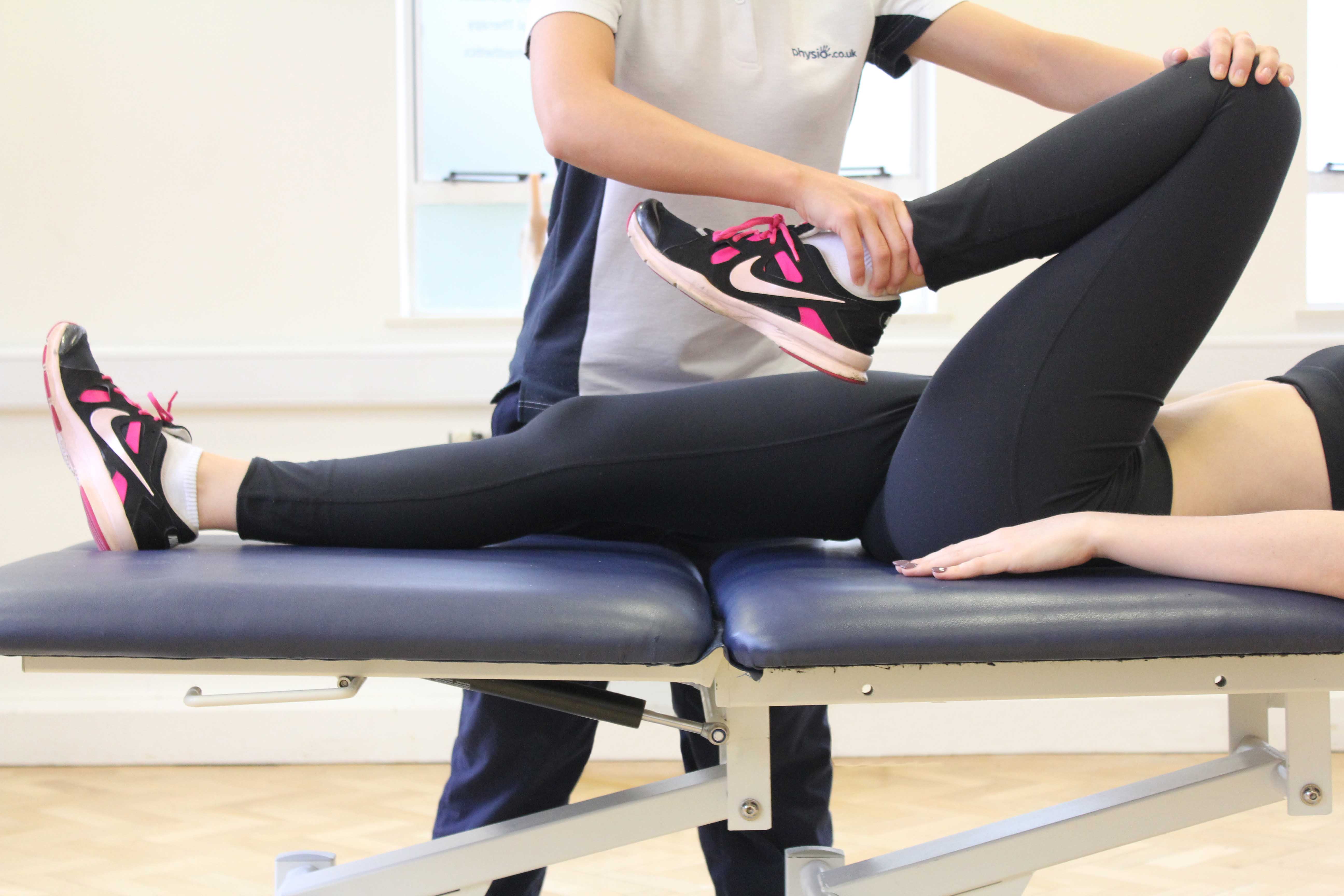
Another sign that professional guidance may be helpful is difficulty moving the knee.
Healthy knees should move smoothly during bending and straightening.
When stiffness or restriction develops, it may indicate:
- Joint inflammation
- Tight surrounding muscles
- Mechanical limitations inside the joint
Reduced mobility can make everyday activities—such as climbing stairs or getting up from a chair—more challenging.
An assessment can help determine what may be limiting movement.
Instability or Weakness
A knee that feels unstable or weak may also benefit from professional evaluation.
Instability may feel like:
- The knee giving way
- Difficulty supporting body weight
- Lack of confidence during walking or movement
These symptoms can sometimes occur when ligaments, muscles, or joint structures are not providing adequate stability.
Addressing instability early can help support safer movement.
Pain After an Injury

If knee pain begins after a sudden injury—such as a fall, twist, or impact—it may be helpful to seek evaluation.
Sports and recreational activities sometimes place rapid forces on the knee joint.
When injuries occur, professional assessment can help identify whether structures such as ligaments, cartilage, or tendons have been affected.
Early evaluation can help guide appropriate next steps.
When Knee Pain Affects Daily Activities
Another important signal is when knee discomfort begins interfering with everyday tasks.
For example, individuals may find it difficult to:
- Walk longer distances
- Climb stairs comfortably
- Stand for extended periods
- Participate in exercise or recreational activities
When knee pain begins to limit daily life, professional guidance may help identify supportive strategies for restoring function.
The Importance of Early Assessment
Seeking help early does not necessarily mean that a serious problem exists.
In many cases, an evaluation simply helps identify movement patterns, muscle imbalances, or lifestyle factors that may be contributing to the symptoms.
Early assessment may allow individuals to make adjustments that support knee health and reduce unnecessary strain on the joint.
Supporting Knee Health Moving Forward
While not all knee pain requires immediate medical attention, paying attention to the body’s signals is important.
If symptoms persist, worsen, or begin interfering with daily life, seeking professional guidance can provide valuable insight into the best path forward.
Understanding when to seek help allows individuals to make informed decisions that support long-term mobility and joint health.


