


In tennis, powerful serves and accurate shots often receive the most attention. However, many experienced players understand that performance on the court is built on something even more fundamental—tennis footwork.
Footwork determines how quickly a player reaches the ball, how well they maintain balance during a shot, and how efficiently they recover for the next point.
Without effective tennis footwork, even technically strong players may struggle to maintain control during fast rallies.
Developing efficient movement patterns allows players to move confidently across the court and position themselves properly for each shot.
Why Tennis Footwork Matters
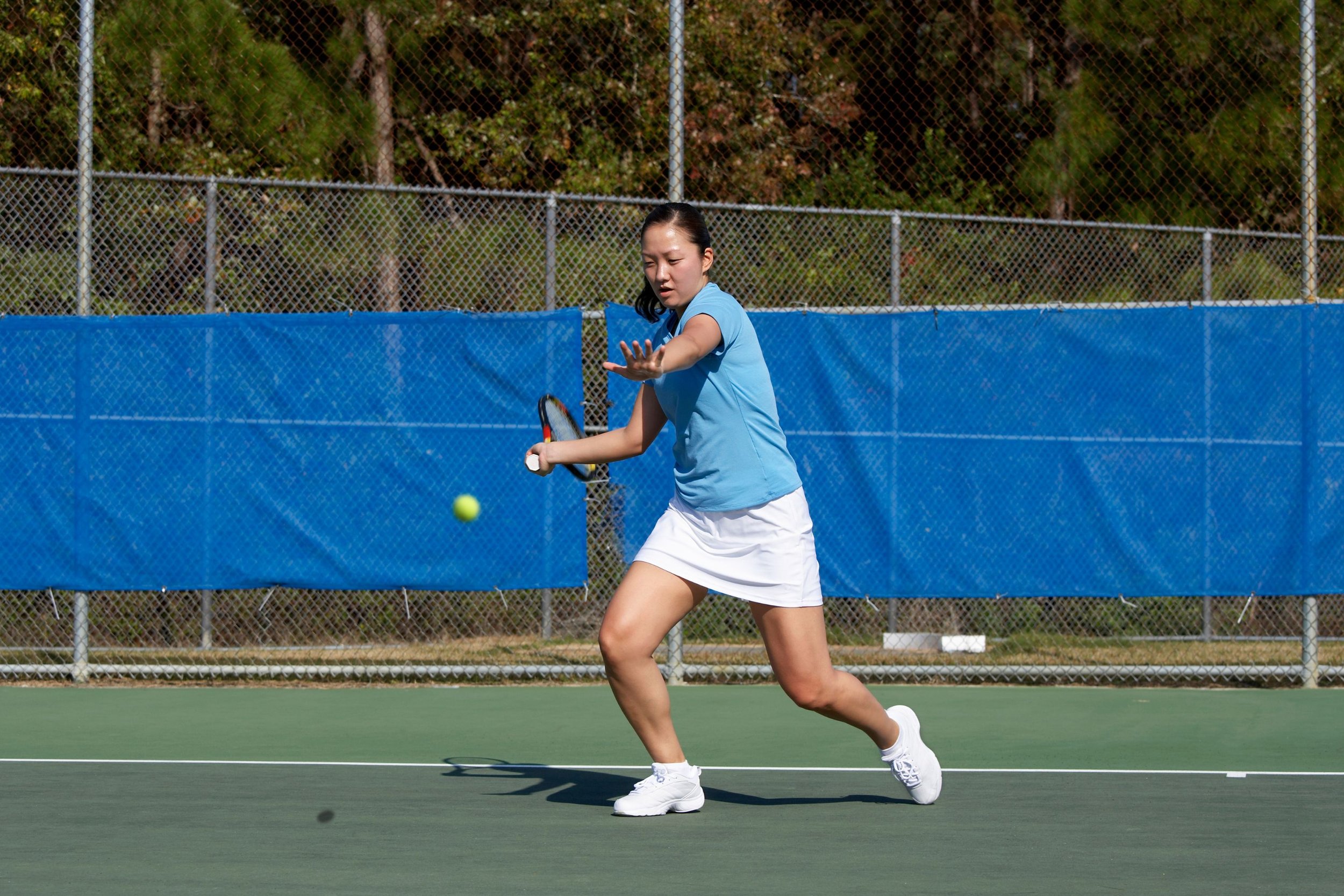
Tennis is a sport that requires constant movement in multiple directions.
Players must be able to:
- Sprint forward to reach drop shots
- Move laterally across the baseline
- Backpedal for lobs
- Stop quickly before hitting a shot
Strong tennis footwork allows athletes to position themselves efficiently for each stroke.
Good positioning not only improves shot accuracy but also reduces unnecessary strain on the body.
When players reach the ball late or off-balance, joints and muscles may absorb extra stress.
The Role of Balance and Coordination

Balance and coordination are essential components of tennis footwork.
During rallies, players often need to adjust their body position quickly while maintaining stability.
Exercises that improve balance may help players:
- Recover faster after shots
- Maintain stable body positioning
- Move efficiently across the court
Training drills such as ladder drills, cone exercises, and lateral shuffles are commonly used to improve footwork coordination.
How Physiotherapy Supports Tennis Footwork
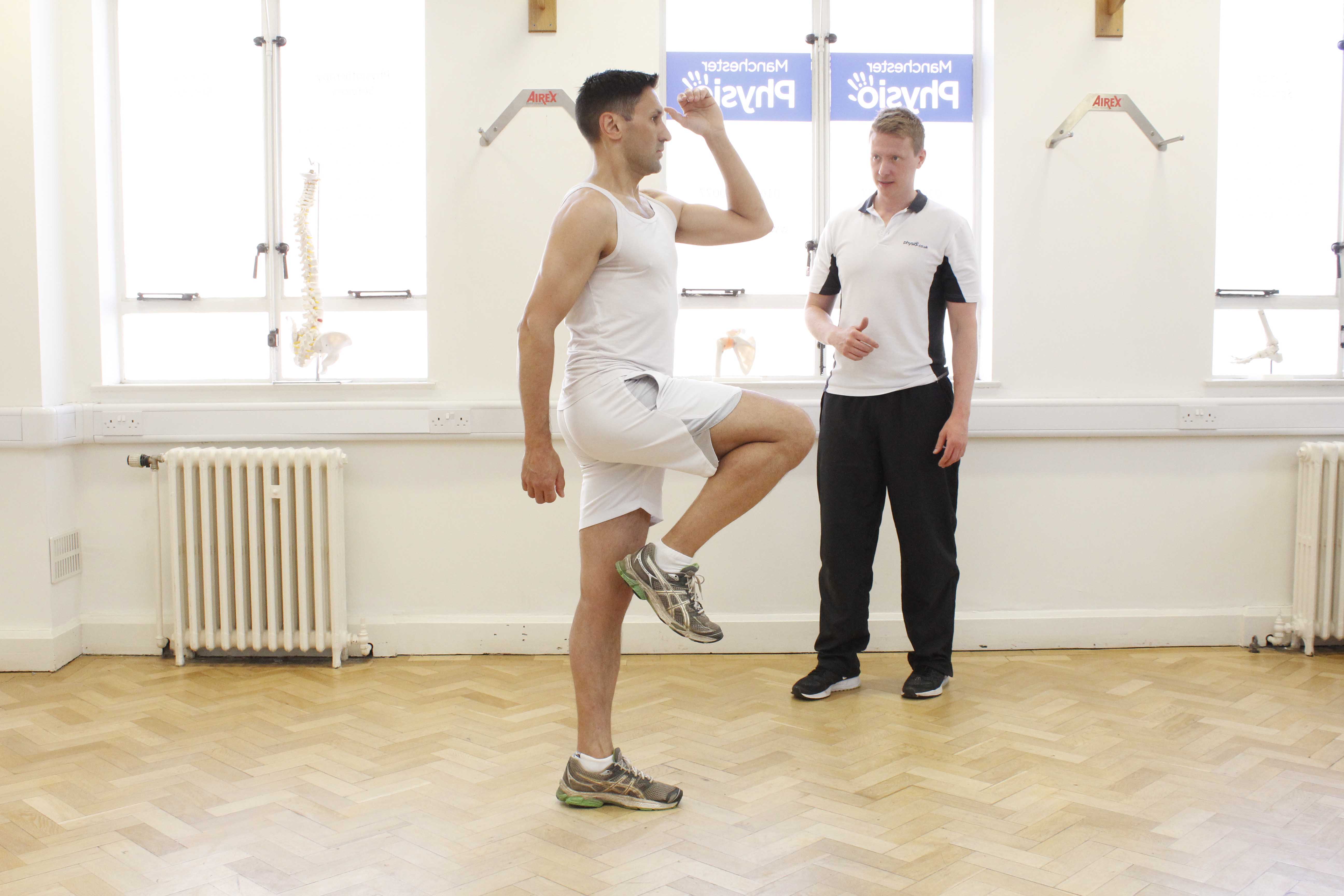
Physiotherapy can play an important role in developing efficient tennis footwork.
A physiotherapy assessment may examine:
- Movement mechanics
- Joint mobility
- Muscle strength
- Balance and coordination
Identifying limitations in these areas can help athletes improve how they move on the court.
For example, restricted hip mobility may affect lateral movement, while weak glute muscles may reduce stability during quick direction changes.
Addressing these factors can help improve overall court performance.
Footwork Drills That Support Performance

Many training drills focus specifically on improving tennis footwork.
Examples include:
- Split-step drills to improve reaction time
- Ladder drills for quick feet
- Cone drills for directional changes
- Shadow tennis for movement practice without hitting
These drills train the body to move efficiently and respond quickly during rallies.
Practicing these movements regularly can help players feel more confident on the court.
Unlocking Your Full Potential on the Court
Improving tennis footwork often leads to noticeable improvements in overall performance.
Players who move efficiently across the court may find it easier to:
- Reach difficult shots
- Maintain balance during powerful swings
- Recover quickly between points
Physiotherapy can help identify movement limitations and provide targeted exercises that support agility, stability, and coordination.
For players looking to stay competitive and court ready, refining tennis footwork can be one of the most valuable investments in long-term performance.


