

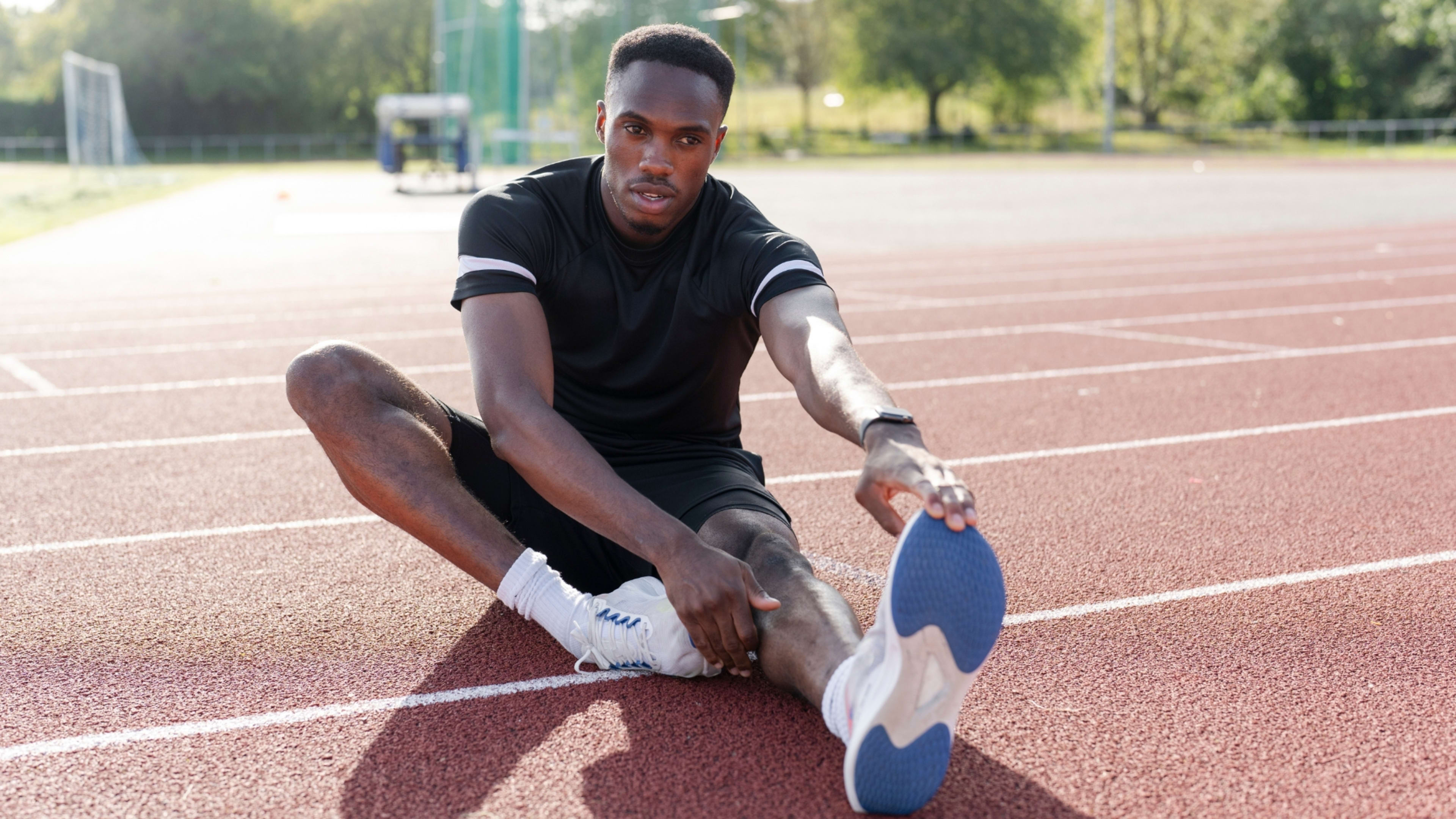
Running is one of the most accessible forms of exercise. It requires minimal equipment and can be performed almost anywhere, from city streets to park trails.
However, like many repetitive sports, running places repeated stress on the body. Over time, these repetitive forces may contribute to running injuries, especially when training volume increases quickly or when movement patterns place excessive stress on certain joints.
Many runners experience issues such as shin splints or runner’s knee at some point in their training journey. These conditions often develop gradually as the body responds to repeated impact and mechanical stress.
Understanding common running injuries and how running form and strength influence them can help runners maintain consistent training while reducing unnecessary strain.
Why Running Injuries Occur
Every time a runner’s foot hits the ground, the body absorbs a force several times greater than body weight.
These forces travel through the feet, ankles, knees, hips, and spine.
When running mechanics are efficient and muscles are strong, the body can distribute these forces effectively.
However, when weaknesses or imbalances exist, certain areas may absorb more stress than others.
This uneven distribution of force is one of the main reasons running injuries develop.
Factors that may contribute to these injuries include:
- Poor running form
- Sudden increases in mileage
- Muscle imbalances
- Insufficient recovery
Shin Splints
Shin splints are one of the most common running injuries.
They typically involve irritation along the inner part of the shin bone.
Runners may notice symptoms such as:
- Tenderness along the shin
- Discomfort during running
- Stiffness after training sessions
Shin splints often develop when training intensity increases rapidly or when muscles around the lower leg become fatigued.
Strengthening the calves and improving ankle mobility can help support the lower leg during running.
Runner’s Knee

Runner’s knee, also known as patellofemoral discomfort, is another common example of running injuries.
This condition often develops when the kneecap does not move smoothly within the joint during running.
Contributing factors may include:
- Weak hip muscles
- Tight quadriceps
- Poor running mechanics
Strengthening the hips and glutes can help support proper knee alignment during running.
How Physical Therapy Can Help Runners
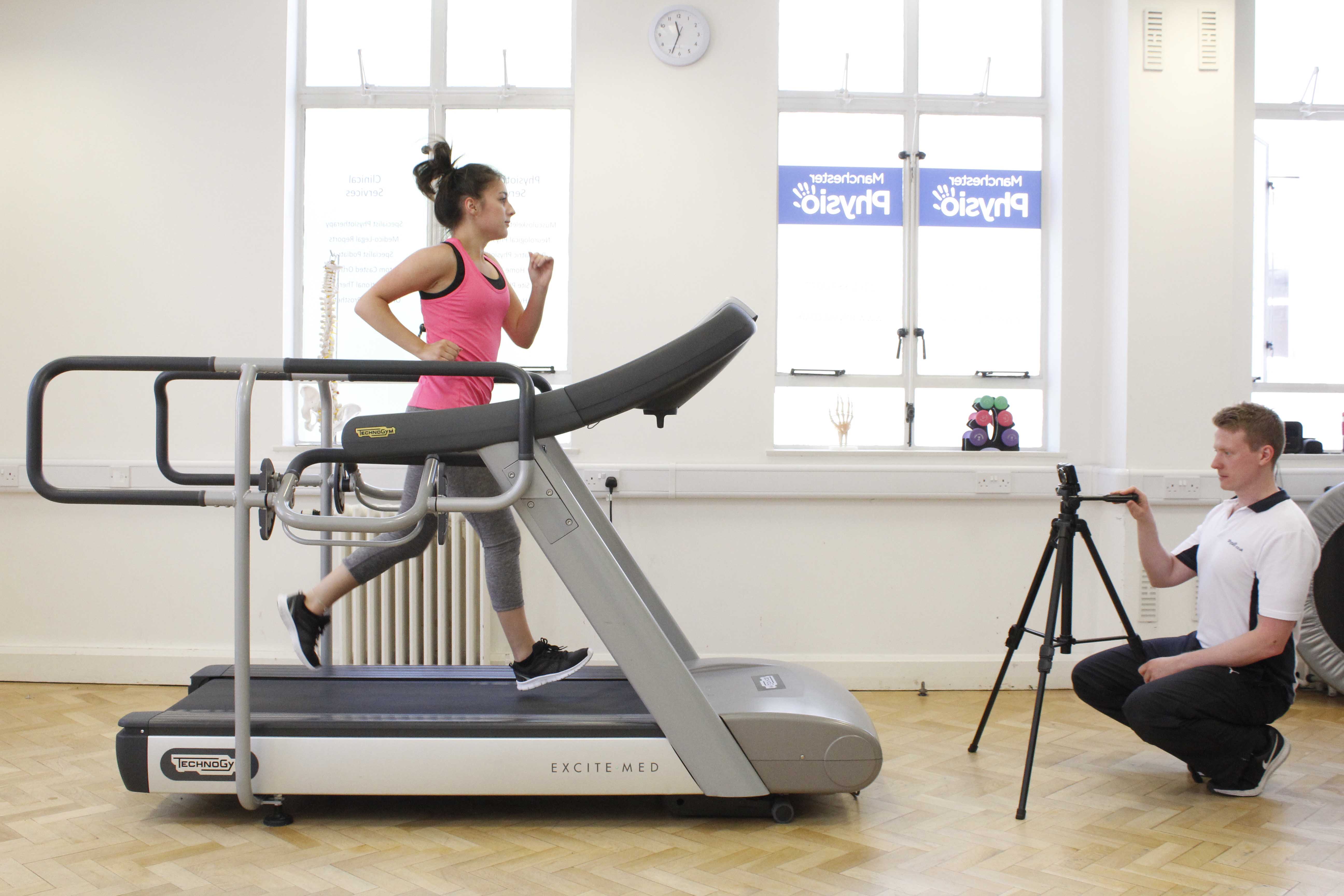
Physical therapy can play an important role in addressing running injuries.
A physical therapist may evaluate factors such as:
- Running mechanics
- Joint mobility
- Muscle strength
- Balance and coordination
Based on these assessments, therapists can recommend exercises and adjustments that support healthier movement patterns.
For runners experiencing running injuries, targeted strengthening programs often focus on:
- Hip stability
- Core strength
- Lower leg endurance
These improvements can help distribute forces more evenly during running.
Building Strength for Injury Prevention
Strength training is a valuable tool for reducing the likelihood of running injuries.
Exercises that strengthen the hips, core, and legs can help runners maintain better alignment during movement.
Examples include:
- Squats
- Lunges
- Single-leg balance exercises
- Core stabilization drills
By improving strength and control, runners may find it easier to maintain consistent training without excessive strain.
Running Strong for the Long Term
Running can be a lifelong activity when approached with awareness and preparation.
Understanding common running injuries and the factors that contribute to them allows runners to make adjustments that support long-term performance.
By combining good running mechanics, proper strength training, and professional guidance when needed, runners can continue enjoying the sport while maintaining healthy movement for years to come.


