


For many people, the end of summer means returning to a familiar routine—and for millions of workers, that routine involves a desk job. While desk-based work may seem physically easy, spending long hours sitting in front of a computer can place significant strain on the body. Neck stiffness, shoulder tension, and lower back discomfort are common issues that appear when daily movement decreases and posture habits begin to slip.
Swapping summer sandals for spreadsheets often means long stretches at a workstation again, and this sudden return to sitting can cause aches and stiffness to reappear quickly. Poor posture, screen positioning, and repetitive desk habits can all contribute to strain in the muscles and joints. Understanding how a desk job affects the body is the first step toward creating healthier work habits and reducing everyday discomfort.
Why Sitting for Long Periods at Your Desk Job Can Be Challenging
The human body is designed for movement. When we sit for long periods, muscles that support posture can become fatigued or tight.
Many people gradually shift into a slouched position while working at a computer.
This posture often involves:
- Forward head position
- Rounded shoulders
- Reduced support from the core muscles
Over time, this position increases strain on the neck and upper back.
Screen Position and Neck Strain
Screen position plays an important role in posture.
When monitors are too low or laptops are used without elevation, the head often tilts downward for long periods.
Because the head weighs several kilograms, even small forward movements increase the load placed on the neck muscles.
This additional strain can lead to stiffness and fatigue over time.
The Impact Your Desk Job has on the Lower Back

Lower back discomfort is another common concern among desk workers.
When sitting posture is unsupported, the natural curve of the spine may flatten or round.
This can increase pressure on the discs and surrounding muscles.
Without regular movement breaks, muscles that support the spine may become stiff or fatigued.
Why Early Action Matters
Ignoring early signs of stiffness can sometimes allow the problem to build gradually.
When posture-related strain continues over weeks or months, it may contribute to persistent tension in the neck, shoulders, or lower back.
Taking action early often helps reduce these risks.
Small adjustments—such as improving workstation setup or incorporating regular movement breaks—can make a meaningful difference.
How Physiotherapy Can Help
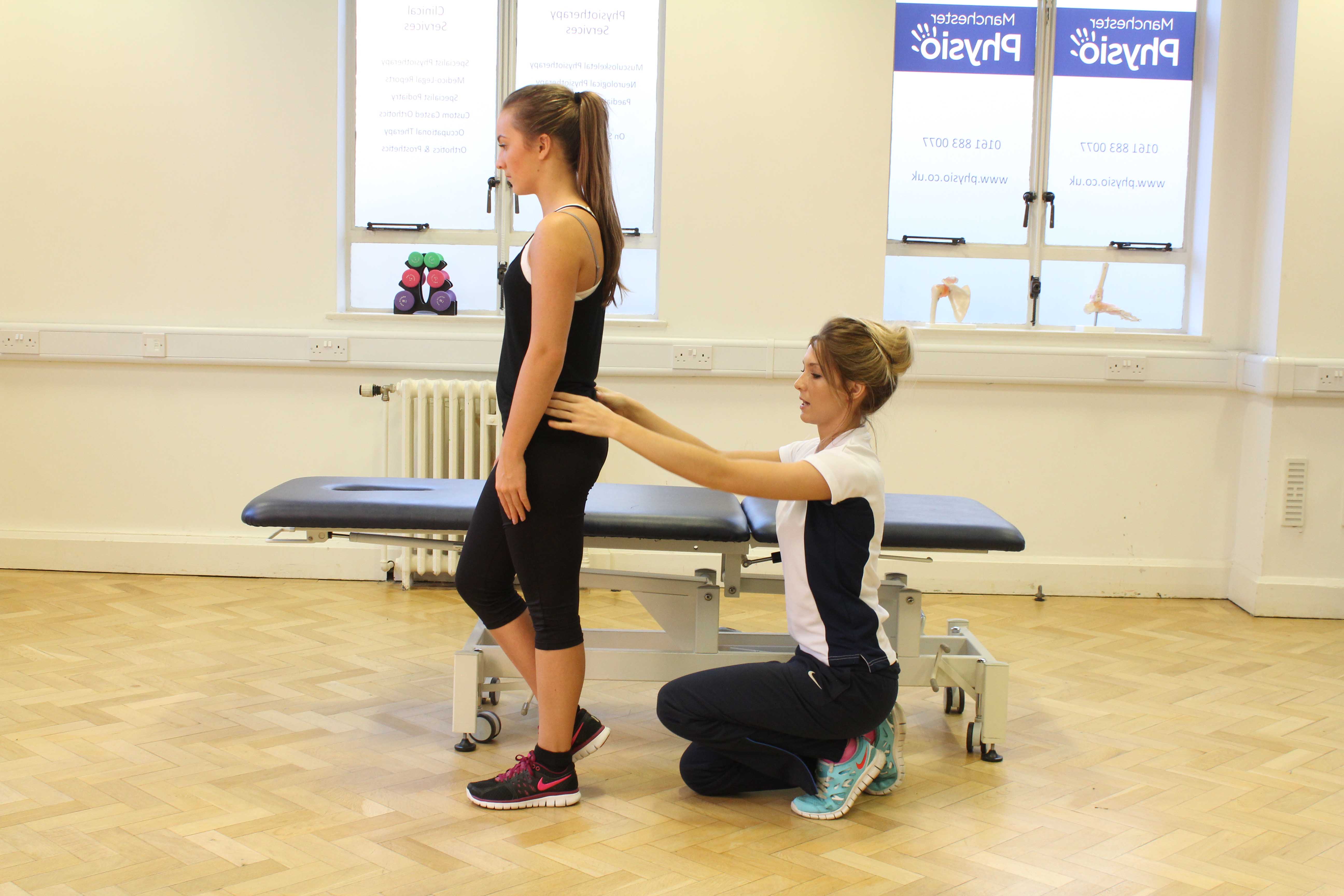
Physiotherapy can play a valuable role in addressing posture-related discomfort.
A physiotherapy assessment may include:
- Posture evaluation
- Movement assessment
- Identification of muscle imbalances
- Recommendations for workstation adjustments
Based on these findings, physiotherapists can provide exercises and strategies that support better posture and movement.
Small Changes That Make a Big Difference
Simple habits throughout the workday can help reduce the physical strain of desk work.
Examples include:
- Adjusting monitor height to eye level
- Keeping feet flat on the floor
- Using lumbar support in chairs
- Taking short movement breaks every 30–60 minutes
- Performing gentle stretching exercises
These habits help reduce the amount of stress placed on the spine during long workdays.
Returning to Your Desk Job Comfortably
Returning to desk routines after the summer doesn’t have to mean returning to stiffness and discomfort.
By paying attention to posture, workstation setup, and movement habits, individuals can support healthier work routines.
If stiffness or aches continue despite these adjustments, seeking professional advice may help identify the best steps for improving comfort and mobility.


