


Tennis is a fast-paced sport that demands agility, coordination, and repeated powerful movements. From serving and sprinting to sudden direction changes, the body is constantly adapting to physical stress throughout a match. Because of these demands, tennis injuries are relatively common among players of all levels. Recreational players and competitive athletes alike may occasionally experience aches, stiffness, or fatigue following long practice sessions or intense matches.
These physical responses are often the body’s way of signaling that muscles, joints, and tendons are under strain. While occasional soreness can be a normal side effect of activity, understanding common tennis injuries and learning how to manage recovery can help players continue enjoying the sport safely.
By paying attention to early warning signs and applying simple recovery strategies, tennis players can support long-term performance and reduce unnecessary strain.
Why Tennis Injuries Occur
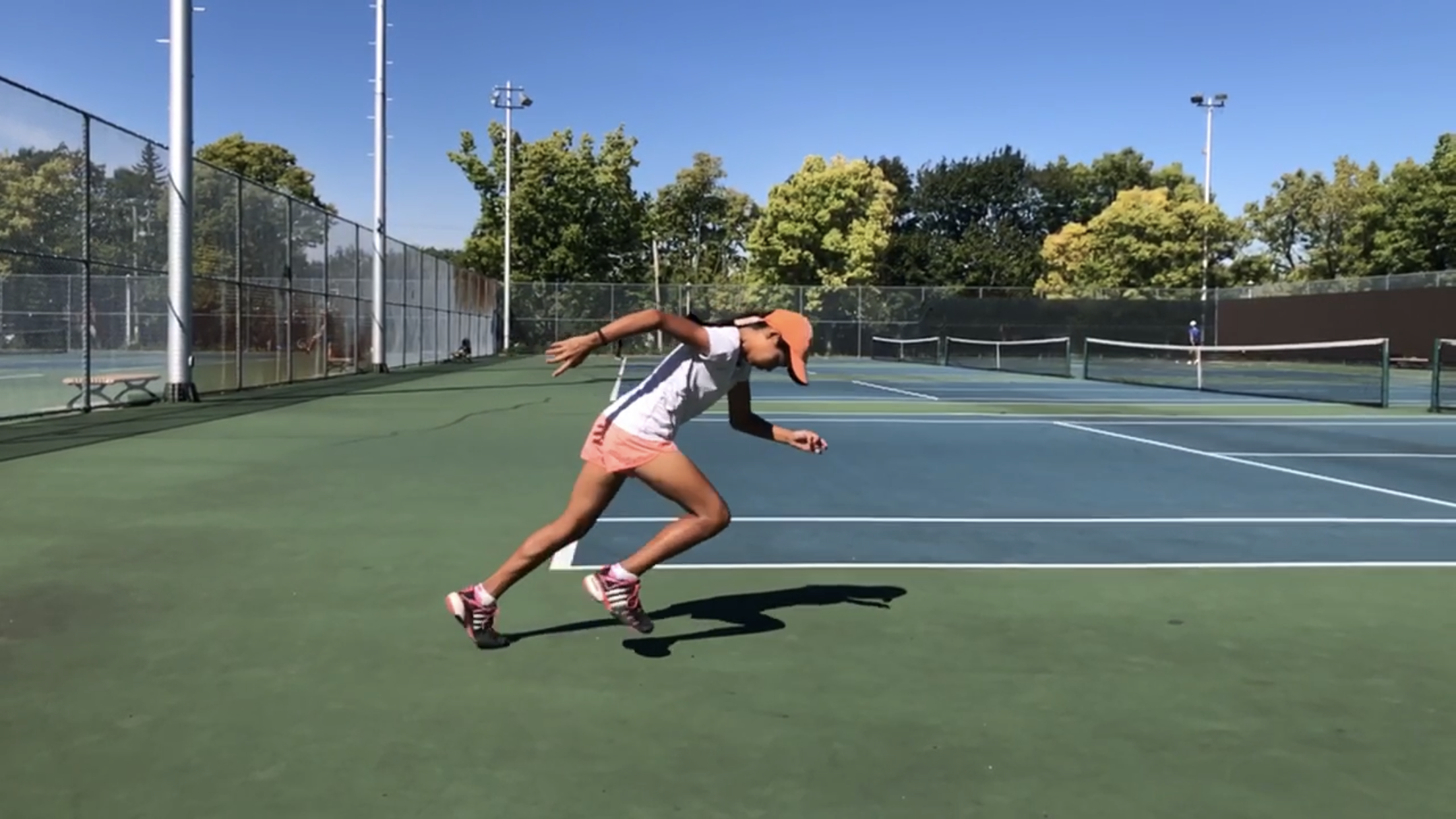
Tennis involves a combination of explosive power and repetitive movement patterns.
During a typical match, players perform actions such as:
- Rapid sprints across the court
- Sudden stops and pivots
- Powerful serves and overhead shots
- Repetitive forehand and backhand strokes
These movements place repeated stress on certain muscle groups and joints.
Over time, this repeated loading can contribute to tennis injuries, especially if recovery time, strength training, or warm-up routines are insufficient.
Players who return to the sport after a break or suddenly increase training intensity may also experience discomfort as the body adjusts.
Tennis Elbow
One of the most well-known tennis injuries is tennis elbow, also known as lateral elbow tendinopathy.
This condition typically occurs when repetitive arm movements strain the tendons that attach to the outer part of the elbow.
Players may notice:
- Tenderness around the elbow
- Forearm fatigue after hitting
- Reduced grip strength
- Stiffness during certain movements
Tennis elbow is often linked to repetitive strokes, improper racket grip size, or increased training volume.
Recovery strategies may include rest periods, strengthening exercises, and gradual return to play.
Knee Strain Causing Tennis Tnjuries

Knee discomfort is another common example of tennis injuries.
The knee joint absorbs significant force during movements such as:
- Lunging for wide shots
- Jumping during serves
- Quick directional changes
These actions place pressure on the ligaments, cartilage, and muscles around the knee.
Players may experience:
- Stiffness after matches
- Mild swelling
- Fatigue during extended play
Strengthening surrounding muscles—such as the quadriceps and glutes—can help support knee stability during movement.
Muscle Tightness and Stiffness

Muscle stiffness is another frequent experience associated with tennis injuries.
Tennis places demands on multiple muscle groups including:
- Shoulders
- Forearms
- Calves
- Hamstrings
- Lower back
After long matches, these muscles may feel tight or fatigued.
Regular stretching and mobility exercises can help maintain flexibility and reduce excessive tension.
Warm-ups before matches and cool-down routines afterward also play an important role in recovery.
Using Ice for Tennis Injuries Recovery
Ice therapy is commonly used following intense activity or when mild inflammation appears.
Applying ice to affected areas may help reduce swelling and provide temporary relief from soreness.
Typical situations where ice may be helpful include:
- Elbow irritation after repetitive strokes
- Knee soreness following long matches
- Muscle strain after intense training sessions
Ice is usually applied for short intervals to allow tissues to cool without excessive exposure.
Using Heat for Muscle Relaxation
Heat therapy is another useful recovery tool for tennis injuries, particularly when muscles feel tight or stiff.
Heat can encourage relaxation in surrounding muscles and improve circulation in the area.
Athletes may use heat therapy:
- Before gentle stretching
- During recovery days
- When muscles feel stiff rather than swollen
Combining heat with light mobility exercises may help improve flexibility.
Preventing Tennis Injuries
Prevention strategies often involve a combination of strength, mobility, and recovery habits.
Players can reduce the risk of tennis injuries by focusing on:
- Proper warm-up routines
- Strength training for the shoulders and legs
- Balanced training schedules
- Gradual increases in practice intensity
Listening to the body and allowing time for recovery can also help prevent minor issues from becoming more persistent.
Supporting Long-Term Tennis Performance
Tennis is a sport that rewards consistency and technique. By taking recovery seriously and addressing early signs of strain, players can continue enjoying the game while supporting long-term physical health.
Understanding common tennis injuries and adopting practical recovery strategies allows athletes to stay active, maintain mobility, and continue improving their performance on the court.


