

Recovery from neurological conditions is rarely about rushing toward quick results.
Instead, progress often happens gradually through consistent effort, supportive rehabilitation, and small improvements over time.
For individuals managing the effects of stroke, Parkinson’s disease, or multiple sclerosis, even small movements can represent meaningful progress.
At Ravenscroft Health, the focus of home neuro physiotherapy is on helping individuals rebuild strength, mobility, and confidence within the environment where they spend most of their time—their home.
By bringing expert care directly to patients, home neuro physiotherapy supports rehabilitation in a familiar and practical setting.
Why Recovery Happens Step by Step
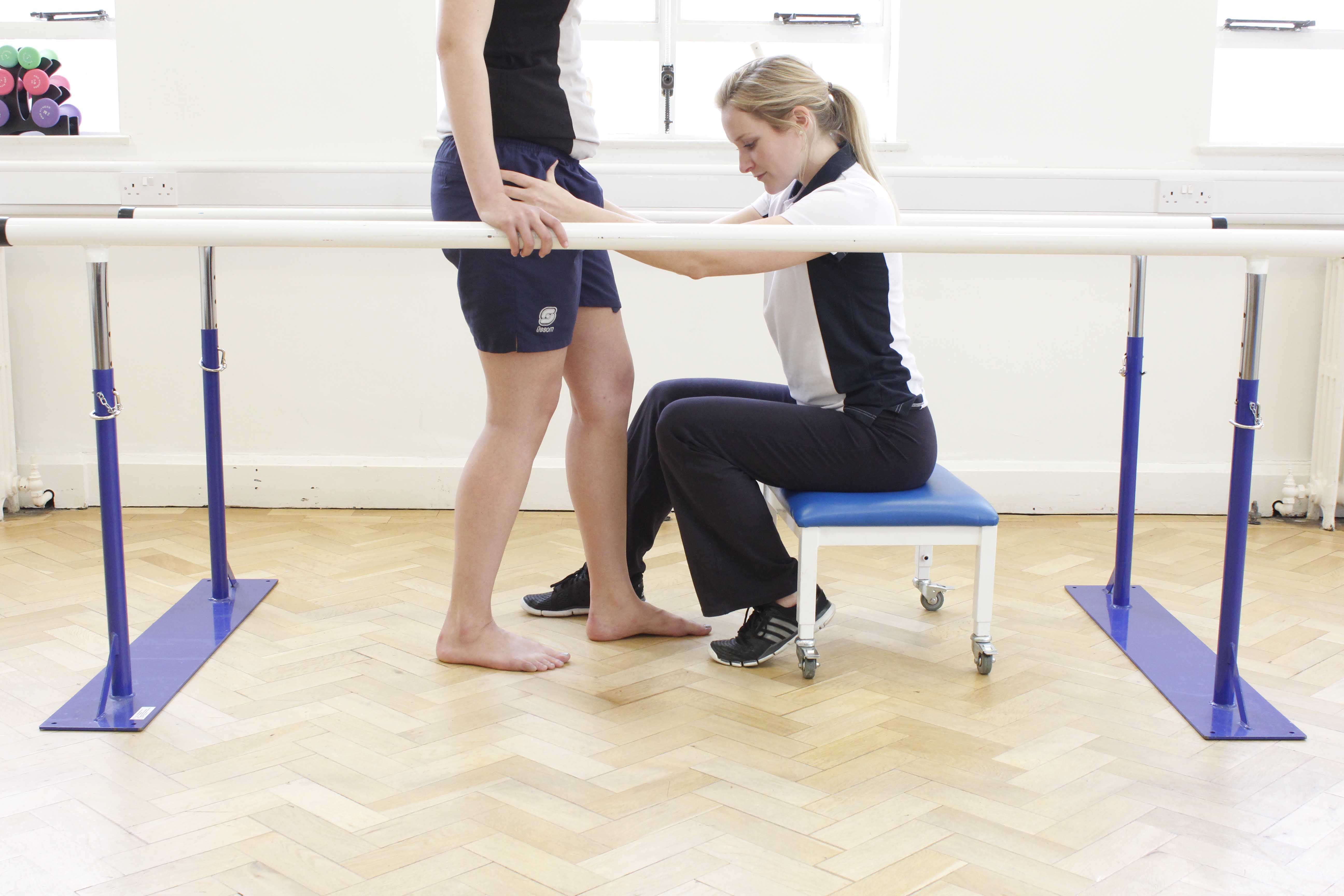
Neurological recovery often involves retraining the brain and body to communicate more effectively.
After neurological injury or disease, the brain may need to form new pathways to control movement.
This process takes time and repetition.
With home neuro physiotherapy, exercises are designed to encourage consistent movement practice that supports these neurological adaptations.
Small improvements—such as improved balance or smoother walking—can gradually build toward greater mobility.
Supporting Stroke Rehabilitation
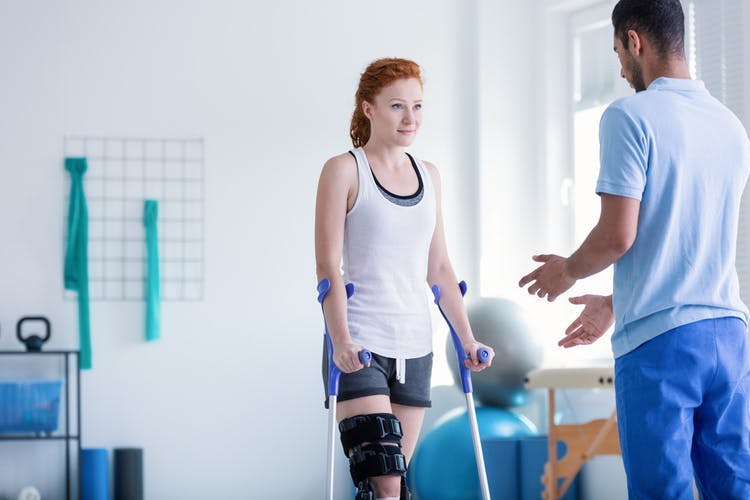
Stroke recovery often involves regaining strength, coordination, and balance.
Home neuro physiotherapy allows stroke rehabilitation to focus on practical tasks within the patient’s living environment.
Examples may include:
- Practicing walking through the home
- Standing safely from chairs
- Improving balance during daily activities
These exercises help connect therapy movements directly to everyday tasks.
Supporting Parkinson’s Mobility
Individuals with Parkinson’s disease may experience changes in movement speed, balance, and coordination.
Through home neuro physiotherapy, therapists can design exercises that support mobility and encourage safe movement strategies.
Practicing these exercises at home allows patients to apply movement strategies directly in their daily environment.
Supporting MS Rehabilitation

For individuals with multiple sclerosis, rehabilitation often focuses on maintaining strength, balance, and endurance.
Home neuro physiotherapy allows exercises to be adapted based on the individual’s energy levels and daily routines.
This flexibility helps individuals participate in therapy while managing fatigue.
Building Confidence Through Familiar Spaces
A major advantage of home neuro physiotherapy is the ability to practice movement in familiar surroundings.
When patients practice walking, standing, and moving around their own homes, they gradually develop greater confidence performing these tasks independently.
Over time, these improvements can support safer movement and greater independence in daily life.
Expert Care Delivered at Home
At Ravenscroft Health, the goal of home neuro physiotherapy is to provide expert rehabilitation in the place where patients feel most comfortable.
Our physiotherapy team works closely with individuals and their families to develop rehabilitation plans tailored to each person’s needs and goals.
By focusing on practical movement, consistent practice, and supportive guidance, therapy becomes part of everyday life rather than something separate from it.
Progress Happens One Step at a Time
Neurological rehabilitation is rarely measured by dramatic overnight changes.
Instead, progress is often seen in small improvements—stronger steps, better balance, or greater confidence moving around the home.
With home neuro physiotherapy, these improvements are supported through consistent practice in a familiar environment.
Recovery is not about rushing forward—it is about showing up each day, taking one step at a time, and building toward a more confident and independent life.


