


When people think about physiotherapy, they often picture visiting a clinic for treatment sessions, rehabilitation exercises, and assessments. However, in recent years, more patients have started exploring the benefits of receiving treatment in their own homes. The discussion around clinic vs home physiotherapy has become increasingly relevant as individuals look for options that better fit their lifestyles, mobility needs, and recovery goals.
Both approaches aim to improve movement, support rehabilitation, and address musculoskeletal concerns. However, the environment in which treatment takes place can influence how therapy is delivered and how patients engage with their recovery. Understanding the differences between clinic vs home physiotherapy can help individuals decide which option may be more suitable for their personal situation and daily routine.
Clinic-Based Physiotherapy
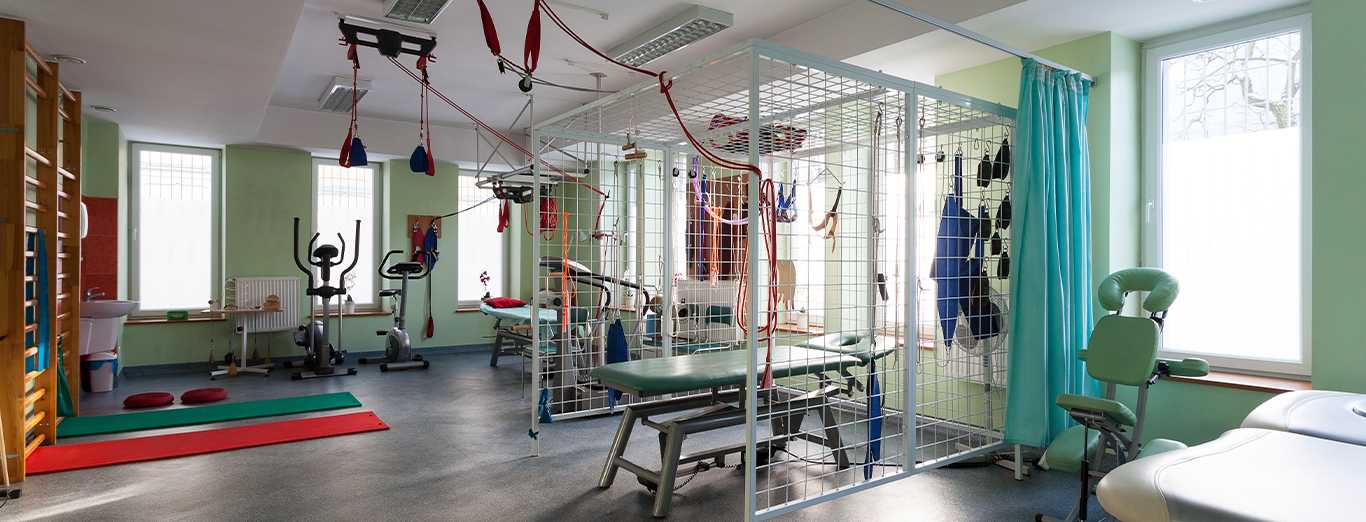
Clinic-based physiotherapy takes place within a healthcare facility.
These clinics are often equipped with specialized equipment that supports rehabilitation exercises and treatment techniques.
Examples may include:
- Exercise machines
- Therapy tables
- Resistance training equipment
- Balance and mobility tools
Clinics may also allow physiotherapists to collaborate with other healthcare professionals within the same facility.
For many patients, clinic-based care provides a structured environment for rehabilitation.
Home-Based Physiotherapy

Home physiotherapy takes place in the patient’s own living environment.
Instead of traveling to a clinic, the physiotherapist visits the patient’s home to conduct assessments and treatment sessions.
This approach allows rehabilitation exercises to be directly integrated into the patient’s daily surroundings.
For example, therapists can observe how patients move through their home, navigate stairs, or perform household activities.
This real-world perspective can help shape more practical rehabilitation strategies.
Convenience and Accessibility
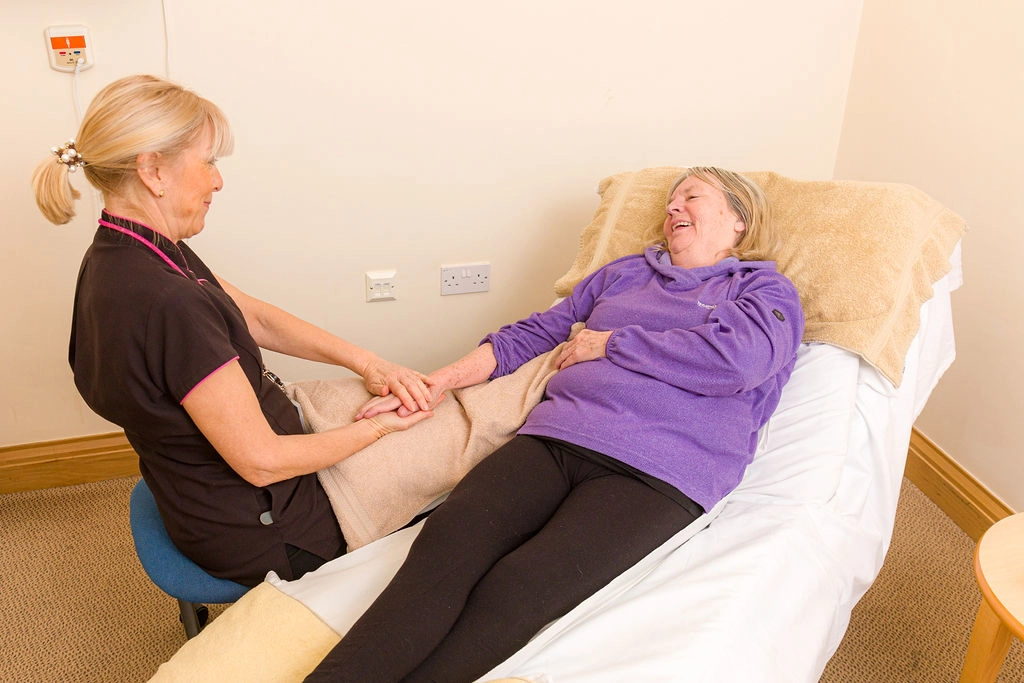
One of the most noticeable differences between the two approaches is convenience.
Clinic visits often require travel, scheduling around commute times, and waiting periods before appointments.
Home physiotherapy removes these barriers by delivering care directly to the patient.
This can be particularly beneficial for individuals who:
- Have limited mobility
- Are recovering from surgery
- Have busy schedules
- Prefer treatment in a familiar setting
Reducing travel time can also make it easier for patients to remain consistent with treatment sessions.
Practical Rehabilitation
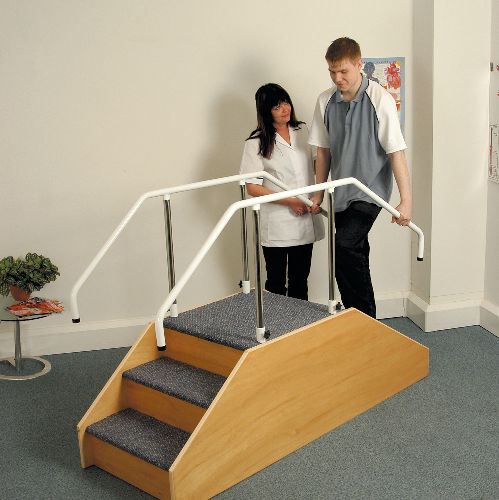
Another key difference lies in the focus of rehabilitation.
Clinic-based therapy often emphasizes exercises performed with specialized equipment.
Home-based physiotherapy, on the other hand, often focuses on movements that occur during everyday life.
These may include:
- Standing from a chair
- Climbing stairs
- Walking safely around the home
- Performing household tasks
Practicing these movements in the actual environment where they occur can help build confidence and independence.
Choosing the Right Option. Clinic vs Home Physiotherapy?
Both clinic-based and home-based physiotherapy offer valuable benefits.
The best choice often depends on individual needs, preferences, and lifestyle circumstances.
Some people benefit from clinic equipment and structured rehabilitation programs. Others may find that home physiotherapy provides greater convenience and practical guidance for daily activities.
In some cases, a combination of both approaches may also be helpful.
Supporting Recovery Through the Right Environment
Ultimately, physiotherapy aims to help individuals move more comfortably and confidently.
Whether treatment takes place in a clinic or at home, the goal remains the same: supporting recovery, improving mobility, and promoting long-term physical wellbeing.
Understanding the differences between clinic-based and home-based physiotherapy can help patients make informed decisions about the type of care that best supports their recovery journey.


