

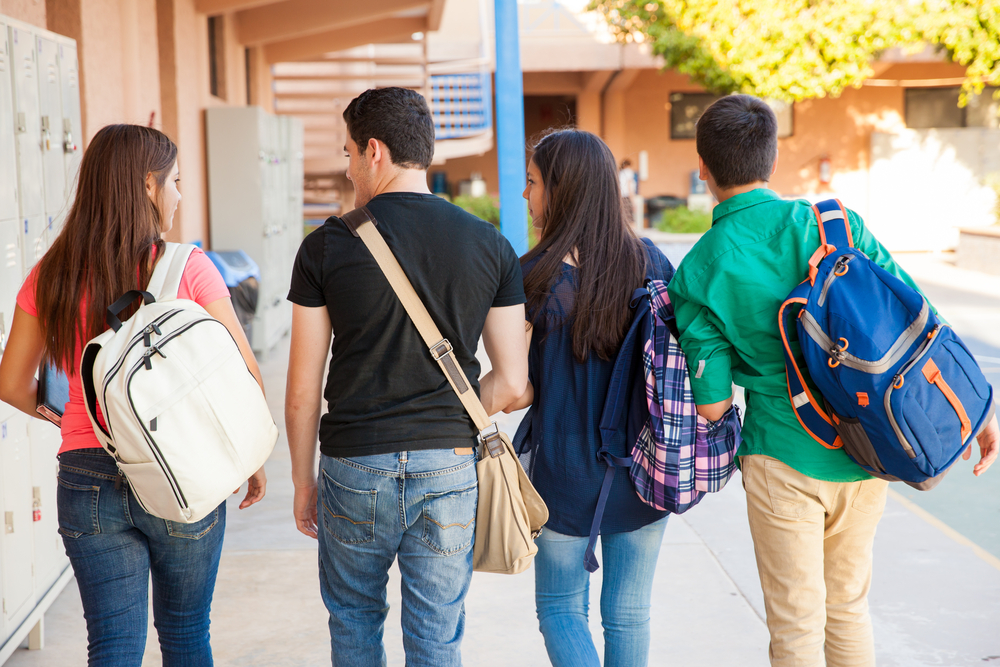
As the back-to-school season arrives, routines begin to shift again. Early mornings, packed schedules, and busy commutes quickly replace the relaxed pace of summer holidays.
During this transition, it is easy to overlook the subtle aches and discomforts that may have crept in over the summer. Long car journeys, time spent sleeping on unfamiliar mattresses during travel, and a sudden return to carrying heavy backpacks can place unexpected stress on the body.
Children returning to school and adults returning to daily routines may begin to notice stiffness in the neck, shoulders, or back. These small aches are sometimes dismissed as normal adjustments to routine changes, but they often signal that the body is adapting to new physical demands.
The good news is that these issues can often be addressed early with simple awareness and small adjustments.
Why Backpacks Can Contribute to Discomfort
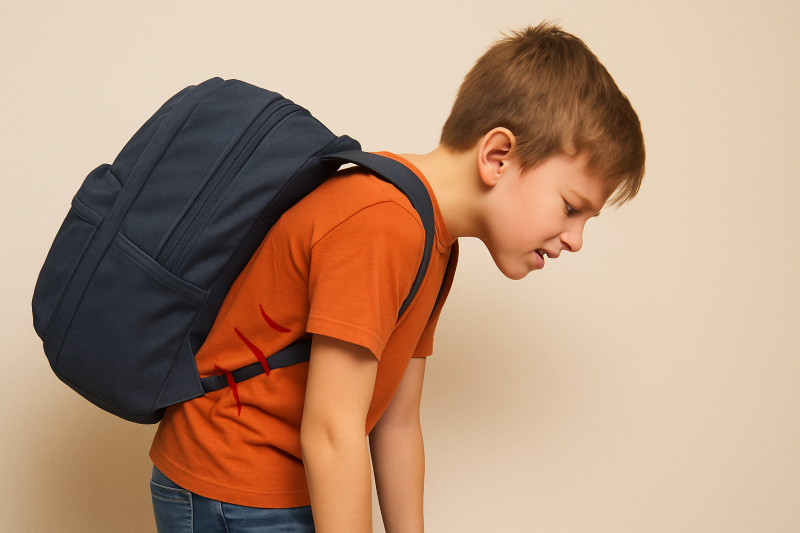
Backpacks are essential for carrying school supplies, books, laptops, and sports equipment. However, when backpacks become too heavy or are worn incorrectly, they can place strain on the muscles and joints of the spine.
When a backpack is overloaded, the body naturally compensates by leaning forward to balance the weight. This forward shift can increase pressure on the neck and upper back.
Over time, this posture may contribute to muscle fatigue and tension in areas such as the shoulders and lower back.
Carrying a heavy bag on only one shoulder can also create imbalance in the body, forcing one side of the spine to work harder than the other.
Posture Changes During the School Year

The return to school routines also means more time spent sitting at desks, studying, or using laptops.
Extended sitting can influence posture in several ways.
Students often lean forward while reading or writing, placing additional strain on the neck and upper back. Over time, this position can cause muscles to tighten and joints to become stiff.
When sitting posture is combined with the added stress of carrying a heavy backpack, the body may struggle to maintain proper alignment.
The Impact of Summer Habits
Summer holidays often involve changes in sleeping arrangements, travel, and daily habits.
Sleeping on soft hotel mattresses, spending long hours in cars during travel, or relaxing on couches while watching movies can all influence posture and muscle tension.
While these activities are part of enjoying time off, the body may take some time to readjust when routines return to normal.
When school resumes, the sudden shift back to structured schedules and physical demands may reveal stiffness that developed gradually during the summer months.
Signs Your Backpack May Be Too Heavy
Parents and students should watch for certain signs that a backpack may be placing too much strain on the body.
These signs may include:
- Leaning forward while walking
- Shoulder marks from straps
- Complaints of neck or back stiffness
- Difficulty lifting the backpack
- Uneven posture when carrying the bag
In general, backpacks should not exceed around 10–15% of body weight.
Distributing weight evenly and using both shoulder straps can help reduce unnecessary strain.
Simple Ways to Reduce Backpack Strain
Fortunately, small changes can help reduce the physical demands of carrying school bags./
Helpful strategies include:
- Using both backpack straps
- Adjusting straps so the bag sits close to the back
- Placing heavier books closest to the body
- Cleaning out unnecessary items regularly
- Using lockers when available
These adjustments help distribute weight more evenly across the body.
Supporting Healthy Movement
Encouraging regular movement throughout the day can also help support spinal health.
Simple habits such as stretching, walking, and maintaining good posture while studying can help reduce muscle tension.
Physical activity after school can also help balance the long periods of sitting that often occur during classroom time.
By staying aware of posture and movement habits, students can support healthier routines throughout the school year.
Don’t Ignore Small Aches
Small aches and stiffness are often the first signals that the body may need attention.
Rather than ignoring these signs, addressing them early can help prevent them from developing into more persistent issues.
If discomfort continues despite adjustments to backpacks and posture, a professional assessment may help identify underlying movement patterns that need attention.
With the right guidance, students and adults alike can return to school routines while keeping their bodies comfortable and supported.


