


Knee pain is one of the most common joint issues people experience. Because the knee plays a major role in almost every lower-body movement—walking, climbing stairs, bending, running, and even standing—it is constantly under stress.
For some individuals, knee discomfort appears suddenly after a specific activity or injury. For others, it develops gradually over time due to repeated movement patterns, lifestyle habits, or changes in joint health.
Understanding what knee pain is and the common factors that contribute to it can help people recognize early signs of irritation and take steps to support long-term knee health.
Understanding the Structure of the Knee

The knee is one of the largest and most complex joints in the body. It acts as a hinge joint, allowing the leg to bend and straighten while supporting the body’s weight during movement.
Several structures work together to keep the knee stable and functional.
Bones
The knee joint is formed by three main bones:
- The femur (thigh bone)
- The tibia (shin bone)
- The patella (kneecap)
These bones meet to form the knee joint, which allows the leg to move while bearing significant load.
Cartilage and Meniscus
Cartilage covers the ends of the bones within the joint. This smooth tissue helps reduce friction during movement.
Two additional structures called the menisci act as shock absorbers. They distribute weight evenly across the joint and help protect the cartilage from excessive stress.
Ligaments
Ligaments are strong bands of tissue that connect bones and stabilize the knee.
The major ligaments include:
- ACL (anterior cruciate ligament)
- PCL (posterior cruciate ligament)
- MCL (medial collateral ligament)
- LCL (lateral collateral ligament)
These ligaments help control knee stability during activities such as running, jumping, and turning.
Muscles and Tendons
Muscles surrounding the knee—especially the quadriceps and hamstrings—play a key role in supporting movement.
Tendons connect these muscles to the bones, helping the knee bend and straighten during everyday activities.
Common Causes of Knee Pain

Knee pain can develop from several different factors. In many cases, it results from a combination of movement patterns, activity levels, and joint stress over time.
Overuse
Repeated movements such as running, jumping, or cycling may place ongoing stress on the knee joint.
When the tissues around the knee do not have enough time to recover, irritation can develop in the tendons or surrounding structures.
Overuse is a common cause of knee discomfort among athletes and individuals who perform repetitive movements during work or exercise.
Muscle Imbalances
Strong and balanced muscles help keep the knee stable during movement.
However, if certain muscles become tight while others remain weak, the knee may not track properly during bending or walking.
For example:
- Weak glutes can increase pressure on the knee
- Tight quadriceps may affect kneecap movement
- Weak hamstrings may reduce joint stability
Addressing these imbalances through targeted strengthening and mobility exercises can support healthier knee movement.
Injuries
Sudden injuries are another common cause of knee pain.
These may include:
- Ligament sprains
- Meniscus tears
- Tendon irritation
- Direct impact injuries
Sports activities that involve rapid direction changes, jumping, or sudden stops may increase the risk of knee injury.
Reduced Mobility
Mobility limitations in nearby joints—such as the hips or ankles—can influence how the knee moves.
When these areas lack flexibility, the knee may compensate by absorbing additional stress during movement.
Maintaining good mobility throughout the lower body can help distribute forces more evenly.
Aging and Joint Changes
Over time, natural changes in cartilage and joint structures may influence how the knee feels during activity.
These changes may contribute to stiffness, reduced flexibility, or occasional discomfort.
Regular movement and strengthening exercises often help maintain joint health as the body ages.
Lifestyle Factors That Influence Knee Health
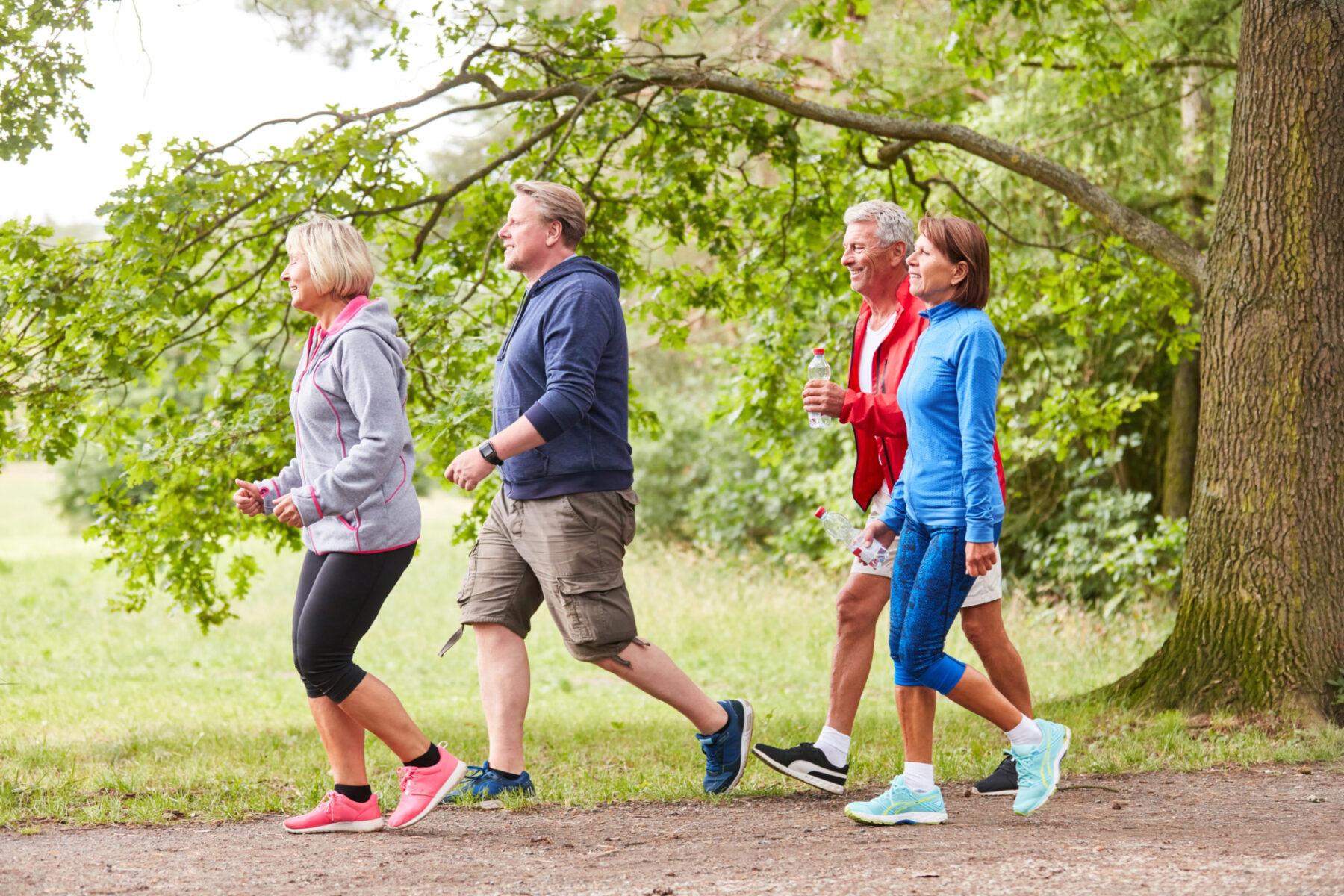
Daily habits can have a significant impact on knee health.
Factors such as activity levels, exercise routines, body mechanics, and footwear may all influence how the knee responds to movement.
Maintaining regular activity helps keep muscles strong and joints mobile.
Low-impact exercises such as walking, swimming, and cycling can support circulation and joint function without placing excessive stress on the knee.
When Knee Pain Appears Gradually
For many people, knee pain develops slowly over time.
This may occur when repeated stress on the joint accumulates without adequate recovery.
Examples include:
- Frequent stair climbing
- Long periods of standing
- Repetitive kneeling
- Sudden increases in exercise intensity
Because these changes develop gradually, the discomfort may start as mild stiffness before becoming more noticeable.
Understanding the Body’s Signals
Knee pain can be thought of as a signal that certain tissues may be under strain.
Rather than ignoring these signals, it can be helpful to examine possible contributing factors such as posture, movement patterns, or activity levels.
Small adjustments—such as improving exercise technique or strengthening supporting muscles—may help reduce unnecessary stress on the joint.
Supporting Long-Term Knee Health
Maintaining healthy knees often involves a combination of supportive habits:
- Regular physical activity
- Strength training for the legs and hips
- Flexibility and mobility exercises
- Proper warm-ups before exercise
- Gradual increases in activity levels
These practices help the knee joint remain strong and adaptable during daily activities.


